

Hyperthermia means overheating and is, among other things, a treatment method used in oncology. More than a hundred years ago, doctors observed that patients had overcome their cancer after suffering from high fever infections. In recent years, scientific evidence of the influence of overheating on the immune system and tumor cells has become increasingly clear. Various forms of hyperthermia have now been developed, of which the following are used at the IOZK:
Modulated electro-hyperthermia
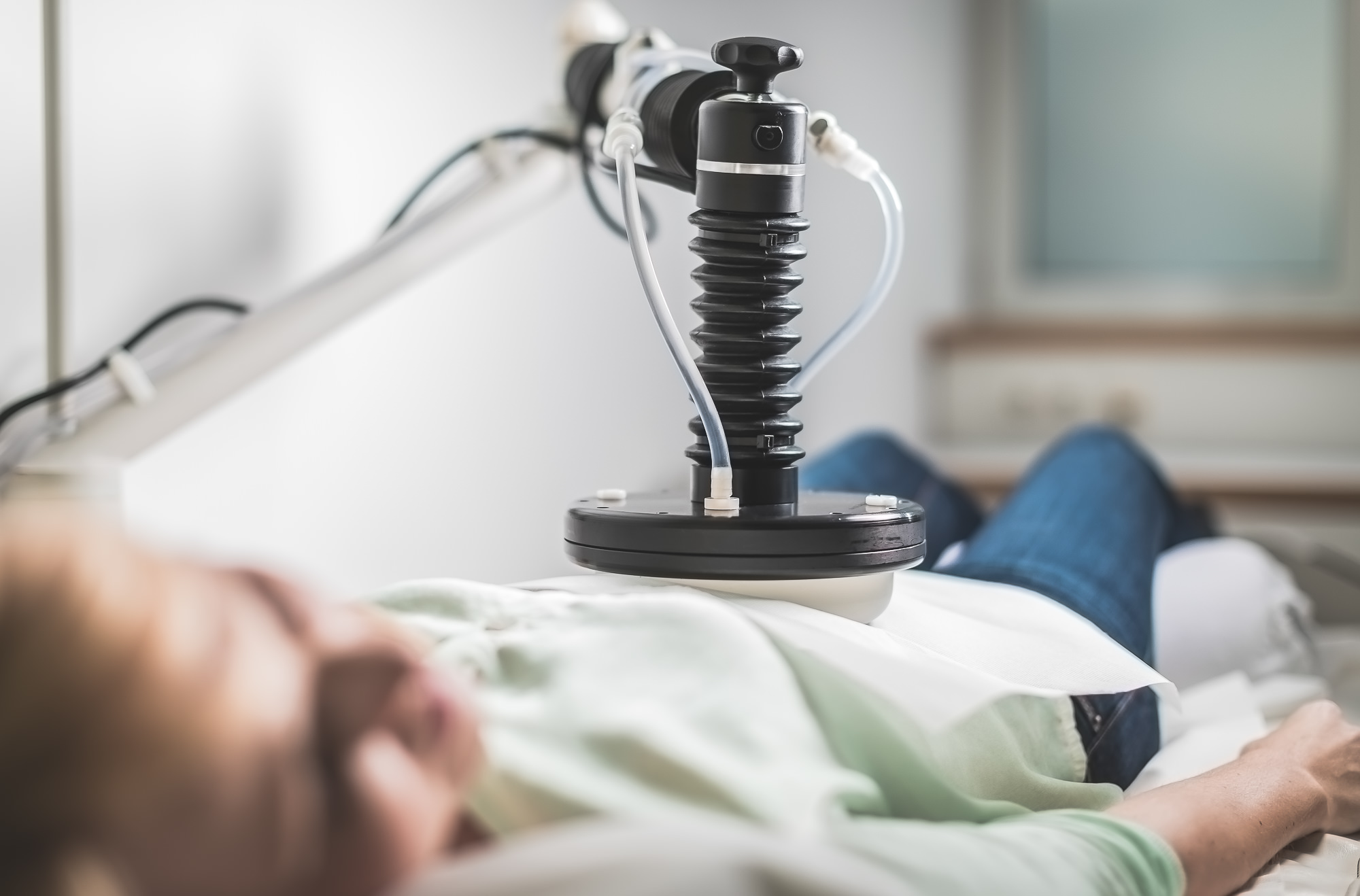
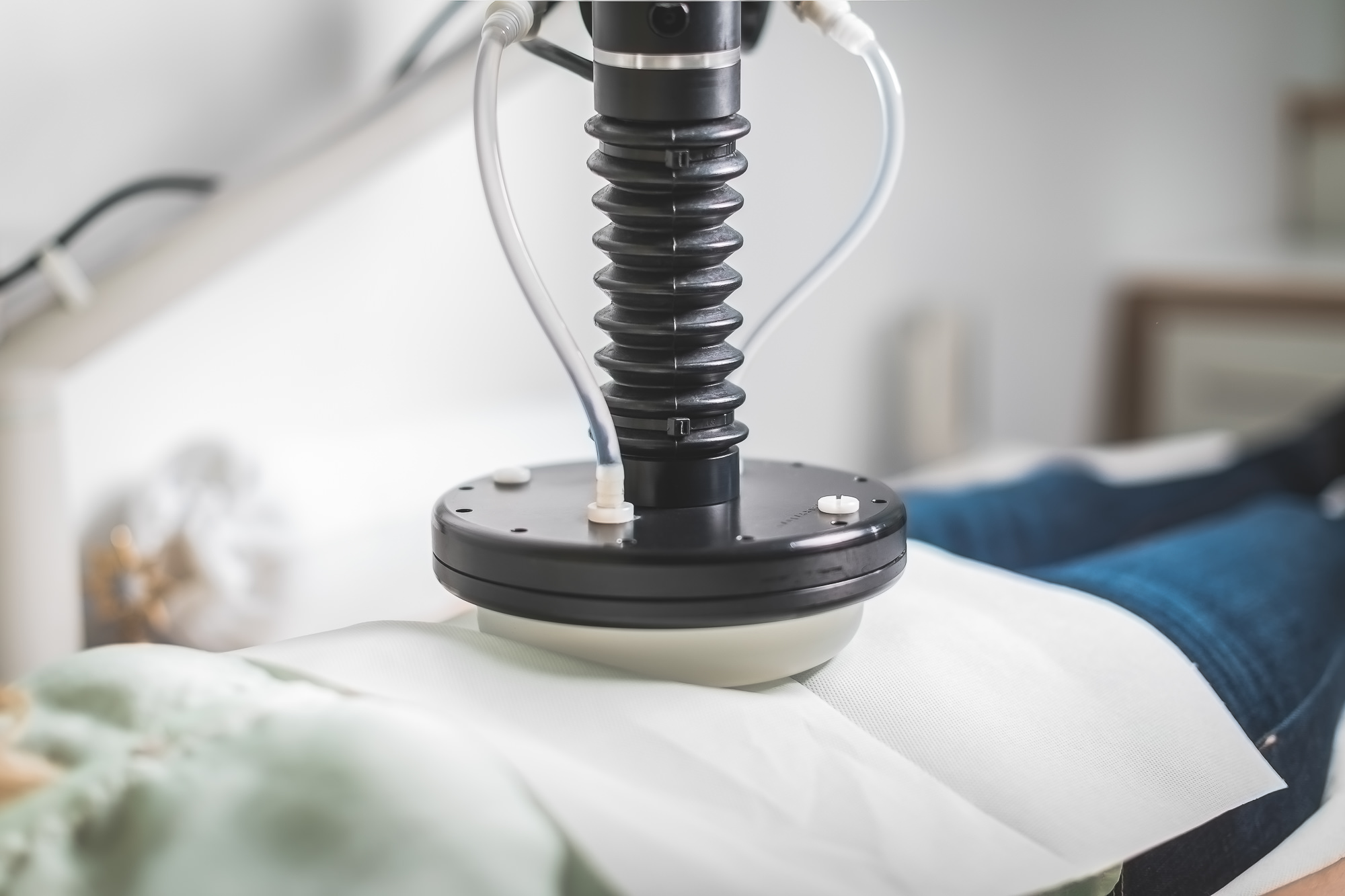
In modulated electrohyperthermia, the region where a tumor or metastasis is located is treated with radio waves. The patient lies on a water bed and a probe is placed over the relevant area. The radio waves can selectively damage the tumor cells because their cell structure differs from that of healthy cells. Under certain circumstances, the cancer cells emit danger signals, which in turn can trigger an immune response against the cells in question. This process is known as immunogenic cell death (ICD).
Moderate whole-body hyperthermia
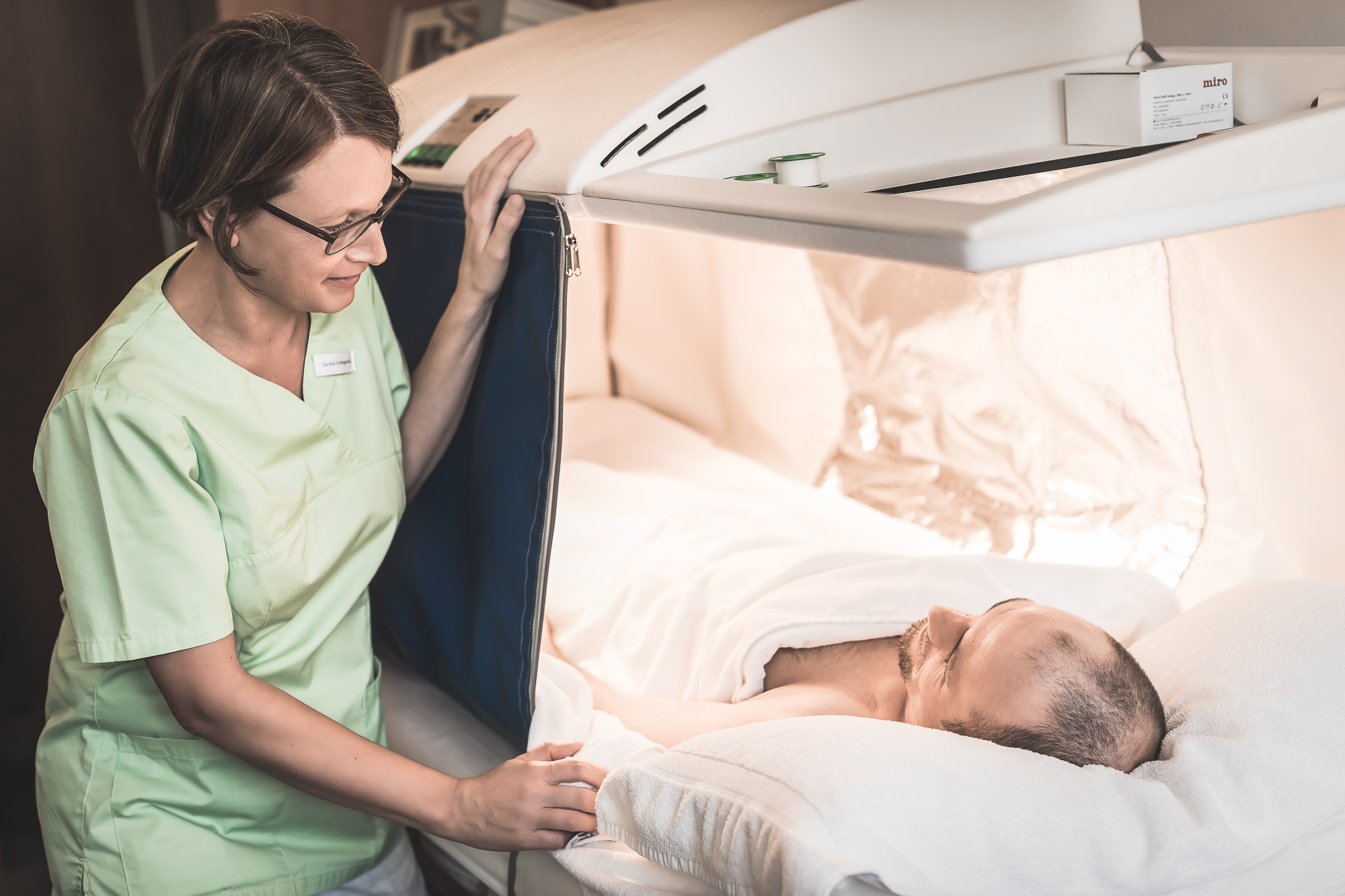
In moderate whole-body hyperthermia, infrared radiation is used to raise the core body temperature to fever-like levels. Heart rate, oxygen saturation, blood pressure, and respiratory rate are continuously monitored during the procedure. The increase in temperature can stimulate various immune cells that are important for cancer defense, among other things. In addition, there is evidence that hyperthermia can increase the effectiveness of chemotherapy and partially reduce its side effects.