
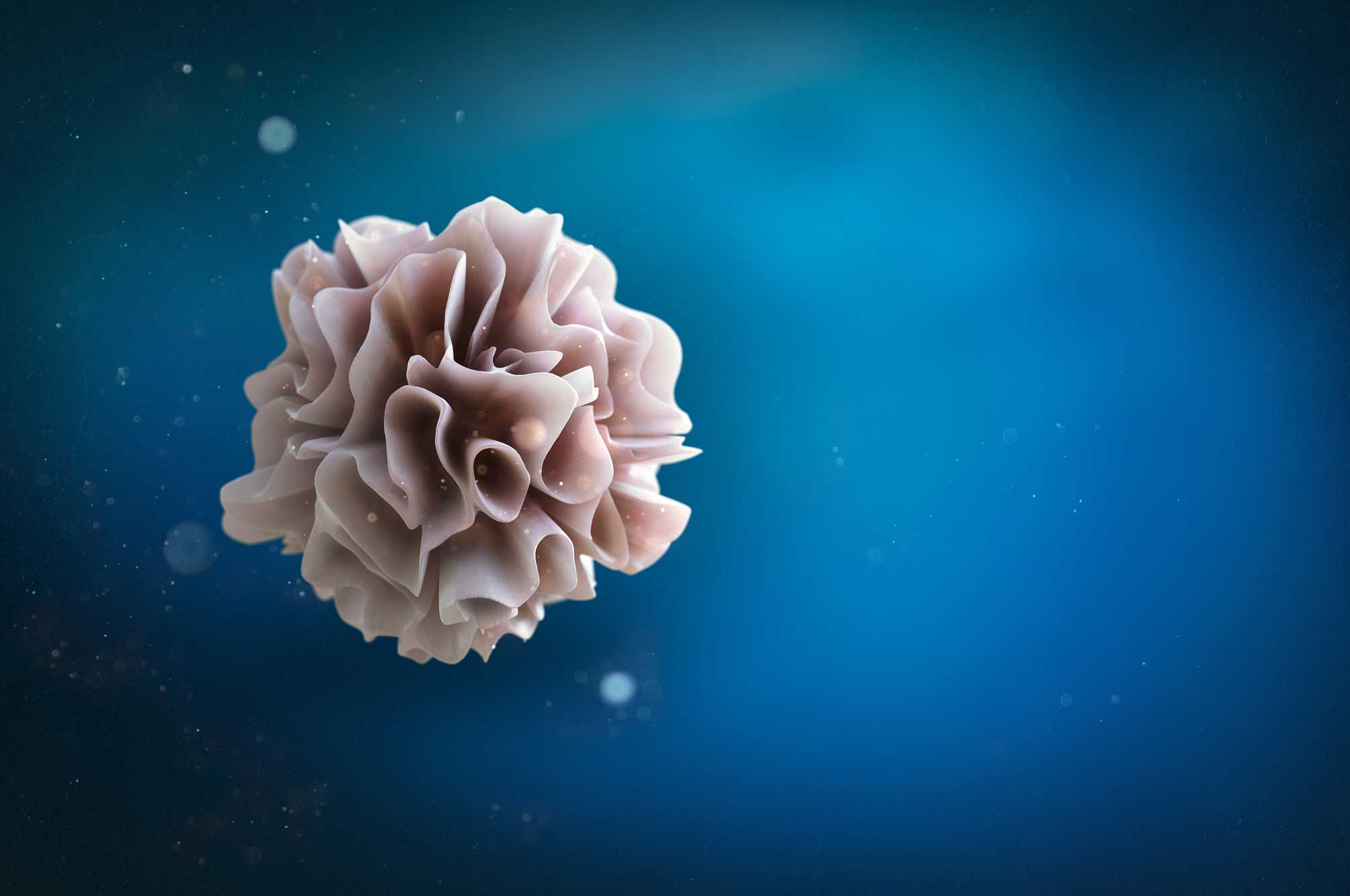
Dendritic cells play a central role in the immune system: they recognize foreign or malignant structures and initiate a targeted immune response against them. Accordingly, they are immensely important in defending against infections and tumors.
Ralph Steinman was awarded the Nobel Prize in Medicine in 2011 for his discovery of dendritic cells and their function.
It is now possible to generate cancer patients' own dendritic cells from their monocytes in the laboratory. In the laboratory, they are "loaded" with information about the characteristics of the tumor and danger signals and administered to the patient as a vaccine. The aim of the vaccination is to activate the immune system and trigger a specific immune response against the tumor cells.
In the focus of science
Although little more than four decades have passed since the discovery of dendritic cells, they are the subject of intensive research worldwide. Hundreds of clinical studies on their use in tumor therapy have been initiated, and thousands of scientific papers on this topic are published every year.
Vaccination with dendritic cells: a clinical reality
The first market approval for a dendritic cell vaccine was granted in May 2010 in the US for the drug Sipuleucel-T (Provenge®) for the treatment of prostate cancer. In 2017, an autologous DC vaccine (APCEDEN®) was also approved in India for the treatment of four cancer indications (prostate cancer, ovarian cancer, colorectal carcinoma, and non-small cell lung cancer). Approvals for other types of cancer are also expected. The IOZK has received regulatory approval to manufacture the IO-VAC vaccine and has been using it clinically for years.